
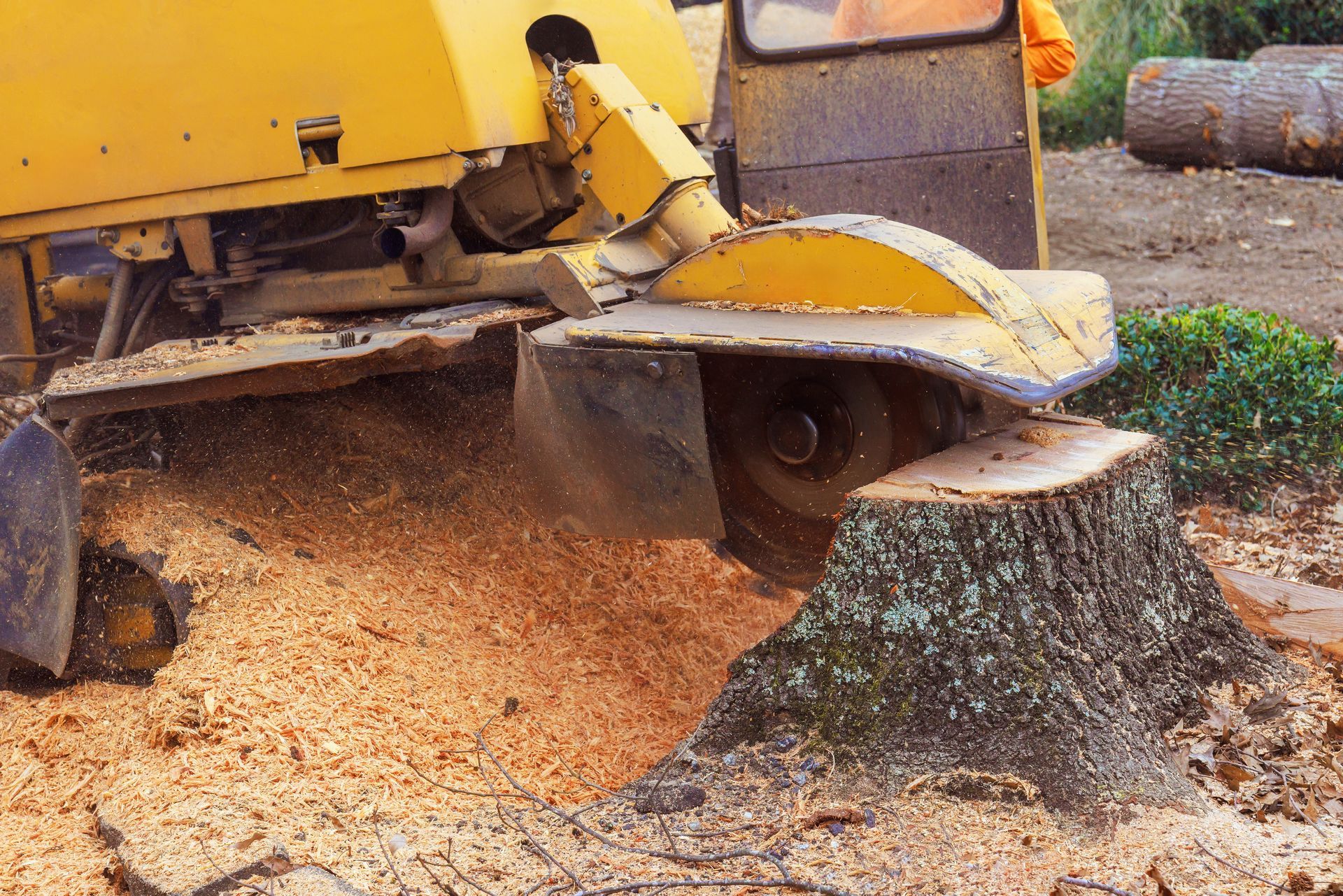
Stumps Ground to the Right Depth
Stump Grinding in Carlinville for properties where post-clearing stumps interfere with seeding, mowing, or construction work
Post-clearing stumps left in Illinois clay heave and shift through freeze-thaw cycles, creating raised obstructions that damage mower decks, interfere with pasture seeding, and prevent concrete placement for driveways, shed pads, or building footings. Most clearing crews grind stumps to a generic depth without asking what the landowner plans next, which leaves stumps flush for mowing but still protruding into the root zone where construction equipment or tilling implements will contact buried wood within months. Waggoner Brush Ops handles stump grinding on South Carlinville residential lots, Girard rural properties, and Virden parcels where clearing crews have already finished vegetation removal but stumps remain as the final obstacle before land transitions to its intended use.
Owner-operated stump grinding means the depth decision gets made on-site based on what you plan to do with the cleared ground, not guessed by a crew working from a standard scope of work. Surface-flush grinding prepares land for pasture seeding or mowing, while below-grade grinding removes stumps deep enough for concrete pads, driveway runs, or equipment foundations that require stable soil without buried obstructions.
Arrange a post-clearing site review to confirm stump locations and grinding depth requirements.
How Grinding Depth Matches Land Use
Stump grinding uses a rotating carbide wheel to shred wood below the soil surface, with depth controlled by how far the grinder penetrates into the root crown and lateral root structure. Surface-flush grinding removes stumps to ground level and clears obstructions for mowing equipment, but buried wood remains within six inches of the surface and will interfere with tilling, grading, or any excavation work that disturbs the root zone.
After below-grade grinding finishes, you see level ground with no wood protruding above the surface and no buried root mass within the top twelve inches of soil, which allows concrete placement, equipment foundations, or driveway gravel to compact evenly without voids or settling issues caused by decomposing stumps shifting under load. The grinding debris gets backfilled into the stump cavity and settles naturally, leaving the site ready for its next phase without requiring additional fill material or compaction work.
Owner-operated precision means the grinding depth call happens in the field after reviewing what construction, seeding, or infrastructure work follows stump removal, not defaulted to a one-size-fits-all standard that leaves stumps either over-ground or under-ground for the intended use. Properties where concrete pads, gravel drives, or building footings are planned require below-grade grinding, while pasture seeding or mowing-only land use needs only surface-flush removal.
What Landowners Ask About Stump Removal
Stump grinding requirements vary widely depending on what happens after clearing finishes, and most landowners need clarity on depth specifications and site preparation before scheduling the work.
What grinding depth is required if I plan to pour a concrete pad over the stump location?
Below-grade grinding removes the stump and lateral roots to a depth of twelve to eighteen inches, which clears buried wood from the excavation zone and prevents voids or settling issues when concrete is placed and cures over the backfilled cavity.
How does freeze-thaw affect stumps left at surface level in Central Illinois?
Stumps ground flush with the surface but left with root mass intact will heave upward during freeze-thaw cycles as moisture trapped in the wood expands and contracts, creating raised obstructions that damage mowing equipment and interfere with pasture seeding until the wood decomposes completely over several years.
When should I grind stumps if I want the land ready for spring seeding?
Late fall or winter stump grinding in Carlinville allows the grinding debris to settle and decompose partially before soil temperatures rise, so the backfilled cavities stabilize in time for pasture seeding or food plot establishment once frost risk passes and germination conditions improve.
What happens to the wood chips and debris after grinding finishes?
Grinding debris gets backfilled into the stump cavity to prevent surface depressions, and excess chips can be spread evenly across the cleared area or removed from the site depending on whether you want mulch left in place or a clean surface for grading and construction work.
How much site access does the grinding equipment require?
Stump grinders maneuver through residential lots, pasture edges, and wooded parcels with minimal ground disturbance, requiring only clear access to each stump location without the staging areas or heavy equipment ruts that full land clearing operations create during initial vegetation removal.
Waggoner Brush Ops grinds stumps for landowners who need the finishing step done right the first time, with depth matched to actual land use rather than guessed by a crew working from generic specifications. Request a site evaluation to confirm stump locations, grinding depth priorities, and debris handling requirements.