
Fence Lines Cleared in Single Passes
Brush Mulching in Carlinville for overgrown fence rows, field edges, and scrub regrowth that reclaims cleared land every season
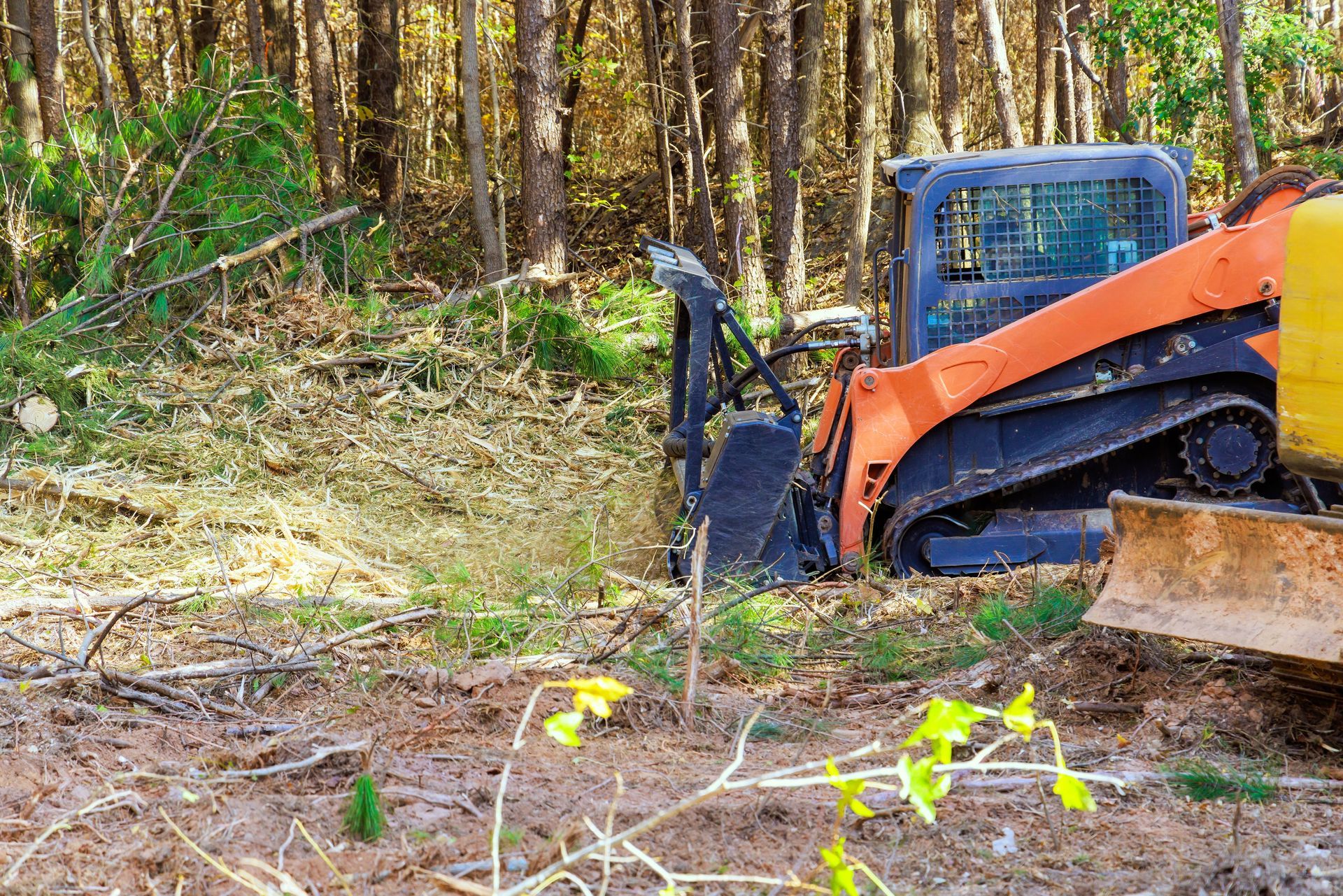
Fence rows choked with bramble and volunteer saplings shrink usable acreage and create harborage for pests that spread into adjacent pasture and crop edges, but chainsaw-and-haul clearing leaves debris piles that sit for months and require burn permits or multiple haul-off trips to finish. Waggoner Brush Ops runs brush mulching along fence lines and field edges using a Cat 255 XPS with an HM316 mulching head that processes dense regrowth at ground level in a single pass, leaving mulched material in place rather than stacked along the property line. Properties in Shipman, Nilwood, and rural Carlinville with recurring brush encroachment use this method to reclaim fence rows without tearing up ground or waiting for crews to return with cleanup equipment.
The HM316 mulching head maneuvers through tight corridors where tracked dozers and skid steers cannot operate without damaging fence posts or compacting soil along drainage swales. Brush gets shredded and spread evenly, so the cleared zone dries quickly and regrowth suppression starts immediately rather than waiting for piles to decompose.
Arrange a fence line assessment to map clearing priorities and confirm equipment access points.
Why Mulching Works Better Than Cutting and Piling
Brush mulching feeds overgrowth through a rotating drum with carbide teeth that shreds stems, leaves, and root crowns into chips small enough to settle into the soil surface and decompose naturally. The Cat 255 XPS stays mobile along fence rows and field edges, processing material without the back-and-forth movement that chainsaw crews require to stage piles for later removal.
Once the mulching head finishes a fence row, you see cleared ground with no stumps protruding above mowing height, no brush piles blocking drainage, and no ruts where haul-off trucks would have tracked through wet clay. The mulch layer breaks down over the next growing season and adds organic matter back into the topsoil, which improves moisture retention compared to bare ground scraped clean by dozer blades.
Owner-operated equipment means the operator makes real-time decisions about clearing depth, canopy retention along windbreaks, and mulch distribution without waiting for crew supervisors to relay instructions. Fence line work that chainsaw crews spread across multiple days gets completed in a single mobilization, with no follow-up coordination required to burn or haul debris.
Answers Landowners Need Before Scheduling Work
Fence row regrowth follows predictable patterns across Central Illinois, and most rural landowners want clarity on how brush mulching differs from traditional clearing methods before committing to a project.
What width can the mulching head clear along a fence row?
The HM316 mulching head clears corridors ranging from narrow single-pass fence lines to twenty-foot-wide field edges in a single mobilization, with width adjusted based on how much usable acreage you want reclaimed and whether drainage swales or tree lines need preserved along the boundary.
How does mulching prevent regrowth compared to cutting brush at ground level?
Mulch spread evenly across the cleared zone blocks sunlight from reaching dormant seeds and root crowns, which slows regrowth significantly compared to bare soil left exposed after chainsaw clearing, and the decomposing mulch layer suppresses volunteer saplings more effectively than herbicide applications alone.
When is the best time to mulch fence rows if I want them cleared before planting season?
Late winter and early spring in Carlinville allow mulch to settle and begin decomposition before soil temperatures rise, so the cleared zone stabilizes in time for pasture seeding or food plot establishment once frost risk passes and germination conditions improve.
What happens to fence posts and gates during the mulching process?
The Cat 255 XPS maneuvers around existing fence infrastructure without damaging posts or tensioning wire, and the mulching head clears vegetation tight to fence lines without the ground disturbance that dozer blades or root rakes cause when they scrape too close to structural elements.
How much follow-up work should I expect after the mulching pass finishes?
None—the mulching head processes material completely during the initial pass, leaving no debris piles to burn or haul and no stumps requiring separate grinding, so the fence row is ready for mowing or seeding immediately after the equipment leaves the site.
Waggoner Brush Ops clears fence rows and field edges for landowners who need tactical precision and owner-operated accountability, not generic clearing crews that leave coordination gaps and debris piles behind. Schedule a property evaluation to review regrowth zones and equipment staging requirements.