Cleared Zones That Interrupt Fire Spread
Firebreak Installation & Maintenance in Carlinville for properties with continuous vegetation and wildfire exposure
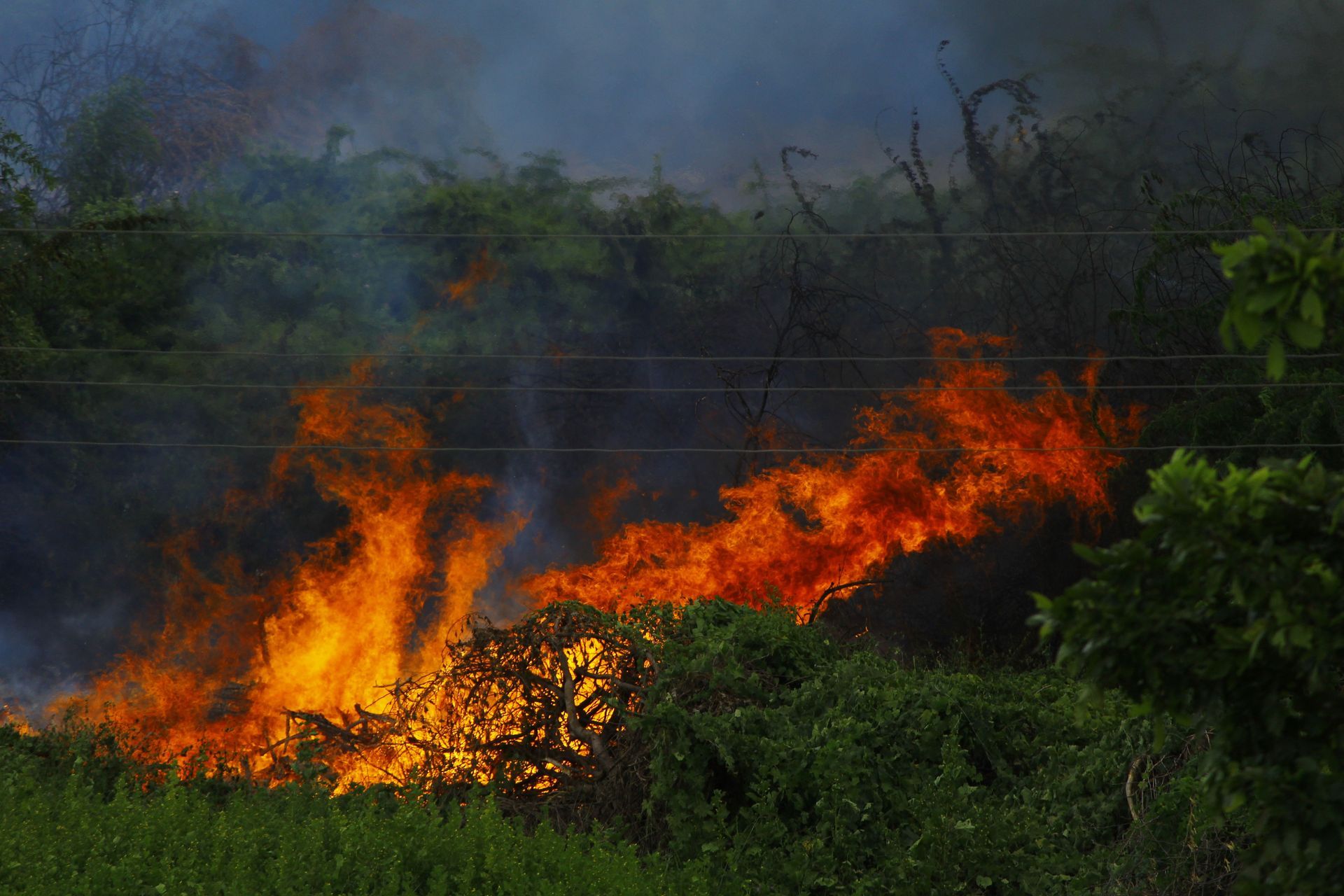
Dense undergrowth, overlapping tree canopies, and unmanaged vegetation create continuous fuel chains that allow fire to move rapidly across a property. Waggoner Brush Ops LLC installs and maintains firebreaks in Carlinville by removing combustible vegetation and creating cleared or reduced-vegetation zones that interrupt these fuel continuities. The width and placement of each firebreak depends on the property's terrain, existing access points, and the type of vegetation present.
Firebreak installation involves using brush removal and forestry mulching to clear small trees, dense undergrowth, and other combustible materials that would otherwise allow fire to move uninterrupted from one area to another. This work also improves access for property owners and emergency personnel who need to navigate the land during routine management or fire response situations. The cleared zone slows fire spread by eliminating the vertical and horizontal continuity of fuel, though it cannot guarantee that a wildfire will be completely stopped or prevented.
Schedule a property evaluation to identify optimal firebreak placement and width based on your terrain and vegetation.
Why Firebreak Width and Placement Matter
Firebreak design begins with a site evaluation that examines slope, vegetation density, prevailing wind patterns, and existing access routes. Steeper slopes require wider breaks because fire moves faster uphill, and areas with heavy fuel loads benefit from greater separation between cleared zones and remaining vegetation. Forestry mulching grinds brush and small trees into a low-profile layer that decomposes over time, leaving the ground less prone to erosion than bare-soil clearing methods.
After installation, you notice visible separation between cleared zones and dense vegetation, along with improved sightlines and easier movement across the property. Emergency vehicles and equipment can navigate cleared firebreaks more effectively, and property owners gain better visibility when monitoring land conditions or conducting routine maintenance. The mulched material left behind stabilizes soil while reducing the height and connectivity of fuels.
Firebreaks require routine maintenance as grasses, seedlings, and fast-growing brush re-establish in cleared areas. Vegetation growth rates vary depending on rainfall, soil conditions, and the time of year, so maintenance schedules should be tailored to the specific property rather than following a fixed calendar. Regular clearing keeps firebreaks effective and prevents the gradual loss of separation between managed and unmanaged zones.
Questions Before Starting Your Firebreak Project
Property owners in Carlinville often ask about firebreak design, maintenance intervals, and how the work fits into broader land management goals.
What determines the width of a firebreak?
Firebreak width is influenced by slope steepness, vegetation type, fuel density, and local fire behavior patterns, with wider breaks needed on uphill slopes and in areas with heavy brush.
How is forestry mulching different from other clearing methods?
Forestry mulching grinds vegetation into a layer of organic material that stays on the ground, reducing erosion and eliminating the need to haul debris off-site, while other methods may leave bare soil or require burning.
When should firebreak maintenance be scheduled?
Maintenance timing depends on how quickly vegetation regrows, which varies with rainfall and soil fertility, but most firebreaks in central Illinois benefit from evaluation every one to two growing seasons.
What happens to the mulched material after clearing?
The mulched layer decomposes gradually, adding organic matter to the soil while creating a low-profile surface that reduces fuel height and continuity compared to standing brush.
Does a firebreak guarantee fire will not cross my property?
No firebreak can completely stop or prevent a wildfire, but properly designed and maintained breaks slow fire spread by interrupting fuel continuity and improving access for emergency response efforts.
Waggoner Brush Ops LLC evaluates terrain, vegetation, and access needs to design firebreaks that fit the specific conditions of your property. Request a site evaluation and estimate to begin planning cleared zones that interrupt fuel continuity and support effective land management.